Camp I, Île-aux-Noix
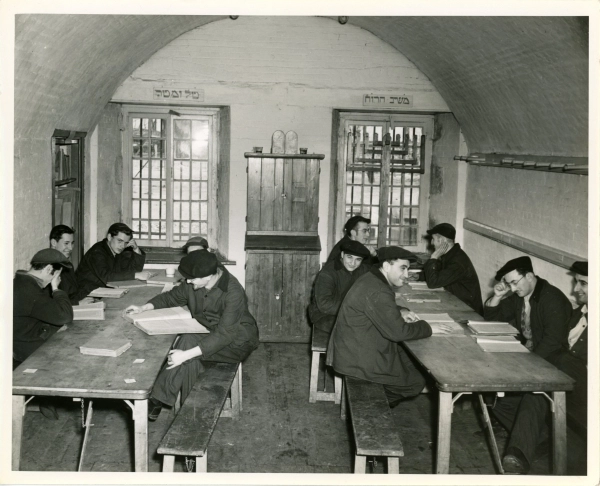
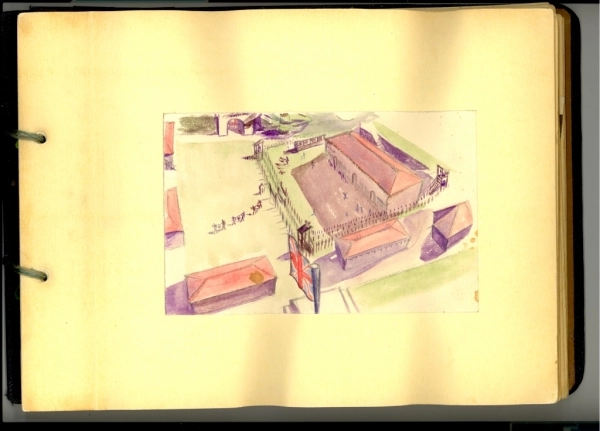
Le Camp I de l’Île-aux-Noix ouvre ses portes le 15 juillet 1940 alors qu’arrivent 273 réfugiés juifs. Un ancien prisonnier se souvient que, aux yeux...
161 exhibits found
Le Camp I de l’Île-aux-Noix ouvre ses portes le 15 juillet 1940 alors qu’arrivent 273 réfugiés juifs. Un ancien prisonnier se souvient que, aux yeux...
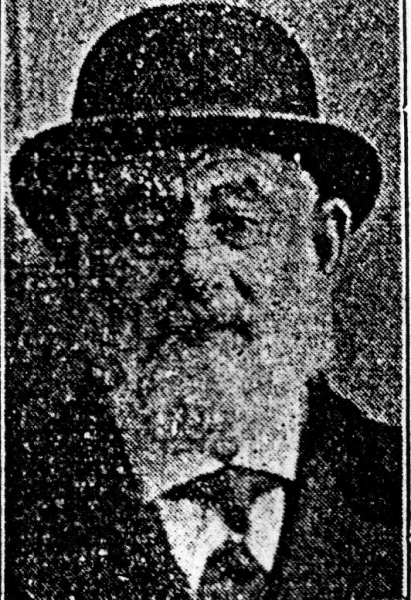
Ingénieur, journaliste et un des premiers historiens de la communauté juive du Canada, Martin Wolff (1881-1948) est né le 16 décembre 1881 à Francfort-sur-le-Main, en...
Île-aux-Noix is a small island on the Richelieu River, southwest of Montréal, and the site of historic military fortifications. It was once home to Camp...
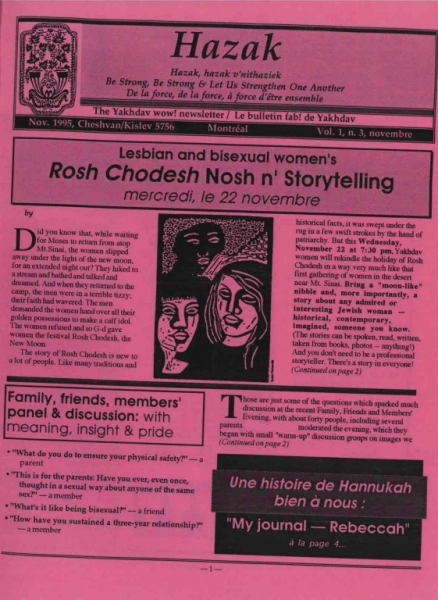
Yakhdav, (1992-2004) meaning “together” in Hebrew, was a group created in the 1990s to provide a community space for Lesbian, Bisexual, and Gay Jews in...
Martin Wolff (1881-1948) was an engineer, journalist, and an early community historian of Canada’s Jews. Born on December 16, 1881, in Frankfurt-am-Main, Germany, Wolff was...
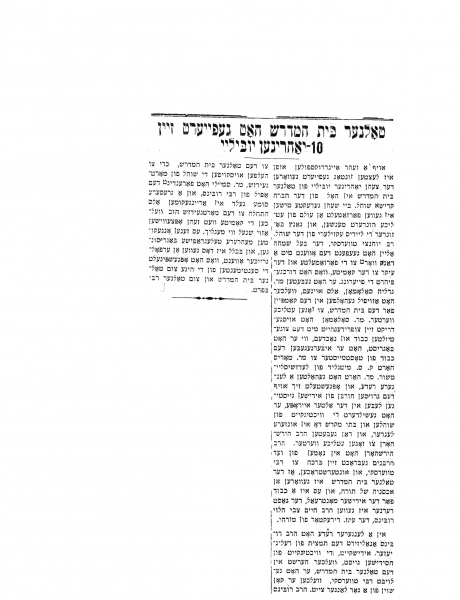
Historic outline Nosach Ha’ari is often referred to as Nosach Ha’ari South to distinguish it from a synagogue by the same name on Jeanne Mance,...
Hasidism, a form of ultra-Orthodox Judaism, developed in Eastern Europe during the eighteenth century as a spiritual response to overly meticulous religious practices. Sects quickly...
Sholem Lamdan was a poultry shochet (butcher) whose prosecution and ultimate imprisonment for illegally slaughtering chickens in his St. Dominique Street home attracted local attention...
Hasidism, a form of ultra-Orthodox Judaism, developed in Eastern Europe during the eighteenth century as a spiritual response to overly meticulous religious practices. Sects quickly...